🏢 Business Page
-
Choice of Entity – Delaware LLC: We have chosen to form Sentenal as a Delaware Limited Liability Company (LLC) as our initial business entity. This decision was made after careful consideration of startup needs, investor expectations, and legal/tax implications. Delaware is renowned as the most business-friendly jurisdiction in the U.S. for corporations and LLCs, often called the “corporate capital” for startups. In fact, over two-thirds of Fortune 500 companies and nearly 80% of U.S. IPOs are incorporated in Delaware, and anecdotally, about 90% of venture-funded startups choose Delaware C-corp structure eventually. We chose an LLC form at the outset for several reasons:
-
Simplicity and Flexibility: Delaware LLCs are relatively easy and fast to set up, with fewer formal requirements than corporations. We can structure management and economic arrangements flexibly via an Operating Agreement. As a small founding team, the LLC allows us to operate more informally (no need for a board of directors, shareholder meetings, etc., at this stage).
-
Liability Protection: Like any LLC or corporation, it provides liability protection – meaning the founders’ personal assets are shielded from business liabilities. This is crucial given we are dealing with health advice (we will have terms to limit liability, but corporate structure adds protection).
-
Tax Considerations: By default, an LLC has pass-through taxation, meaning the company’s profits or losses flow through to the members’ personal tax returns (and the LLC itself isn’t taxed separately). In the early years of a startup, we might have losses; those can potentially offset other income on our personal taxes, which can be beneficial. Also, while we are not yet making profits or paying dividends, an LLC avoids the “double taxation” issue of a C-corp (where the corporation pays tax on profits and then owners pay tax on dividends)carta.com. This could save money initially. That said, we are aware that if we need to seek significant outside investment or eventually generate substantial profit, a C-corp structure might become more advantageous (discussed below in transition plan).
-
Privacy: Delaware allows anonymity of LLC owners in public filings (only the registered agent’s info is public). For now, that privacy is a nice perk – though as a transparent startup we’re not hiding our identities, it means less spam and more discretion in general.
-
Investor Expectations: Most investors prefer Delaware entities, though specifically they prefer C-corps. Starting as an LLC is acceptable to early-stage angel investors or if we’re self-funded, and we have the option to convert to a corporation when needed. Delaware’s legal system (Court of Chancery) is highly experienced in business issues, providing predictable legal outcomes – a reason investors insist on Delaware, to have that predictability and established case law if any disputes arise. We are effectively signaling we’re prepared to play in the big leagues by being in Delaware from the start.
-
-
Operating Agreement & Management: As an LLC, we have drafted an Operating Agreement, which is the key governing document outlining ownership percentages, roles, and rules for the company. In our case, let’s say Abhiram Bitla is the majority owner (for instance, 60%) and the other team members have minority stakes based on their contributions (this is hypothetical for the project, but an example). The Operating Agreement states that Abhiram is the Managing Member, effectively acting as CEO with authority to make day-to-day decisions and sign contracts on behalf of the LLC. We’ve set it up as a member-managed LLC (as opposed to manager-managed) because all members are active in the business. The agreement covers important points like how decisions are made (some major decisions like taking investment or merging the company require unanimous or majority vote of members), how profits/losses are distributed (initially all profits are reinvested, but allocation is according to ownership shares for tax purposes), and what happens if a member leaves or if new members are added. It also has confidentiality and IP assignment clauses, ensuring that any intellectual property (like code, content) created by members is owned by the LLC.
-
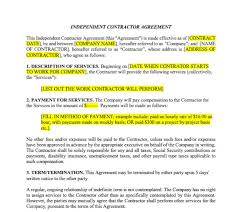
We’ve also prepared basic legal documents common to startups: for example, Independent Contractor agreements for any freelancers (like a designer or writer) to ensure work-for-hire IP transfer, NDAs (non-disclosure agreements) for any sensitive discussions (especially when we were in concept phase talking to potential advisors or developers), and Terms of Service & Privacy Policy for the Sentenal app (which users must agree to, covering disclaimers that we are not medical professionals and that users should consult doctors for medical decisions, etc., and detailing how we protect their data). Having clear terms in the app is not only a legal requirement to limit liability and comply with privacy laws, but also builds user trust when we are transparent.
-
Transition Plan for VC Funding – Converting to C-Corp: We recognize that while an LLC suits our current needs, venture capital firms almost universally require a C-Corporation (usually Delaware C-Corp) before investing. This is due to reasons including easier equity issuance, preference shares, stock option plans, and tax considerations for investors (VCs typically cannot invest in pass-through entities for regulatory reasons, and they prefer the standard Delaware C-corp because they’re familiar with it and its processes). As Carta’s startup guide notes, converting to a C-corp can significantly improve fundraising prospects and ability to grant equity to employeescarta.comcarta.com. We plan to convert to a Delaware C-Corp at the point when we are ready to raise a priced equity round (e.g., a Series A investment) or if an accelerator program we join encourages it early on.
-
The process of conversion in Delaware is straightforward by design – Delaware allows a statutory conversion from an LLC to a corporationcarta.comcarta.com. This means with a formal filing and approval of members, our LLC can essentially turn into a corporation, carrying over assets and liabilities in one go, and the LLC members become shareholders of the new corporation according to their ownership percentages. We have researched the steps (and likely will hire a lawyer to do the paperwork to avoid mistakes). The conversion will involve:
-
-
Drafting a Plan of Conversion (a document stating how membership interests convert into stock, etc.).
-
Filing a Certificate of Conversion and a Certificate of Incorporation in Delaware.
-
Creating bylaws for the new corporation, issuing stock certificates, and formally adopting board resolutions.
-
We’ll time this conversion carefully to avoid negative tax consequences. If the LLC has gained significant value by then, there could be tax on converting (the IRS could treat it as if assets were sold to the new corporation). To mitigate that, ideally we convert early in the lifecycle (before our valuation soars). Some startups preemptively start as C-corps to avoid this, but we’re balancing that with our current simplicity need. We might consider making an S-Corp election as an interim step if beneficial (though S-Corp has shareholder limits and wouldn’t be applicable once we take VC money or have corporate shareholders, so maybe not).
-
As a C-Corp, we will establish a formal Board of Directors. Likely at conversion, Abhiram and possibly one other co-founder will form the initial board, and then investors would join after funding. We’ll also implement an Equity Incentive Plan post-conversion to grant stock options to employees and advisors. This is important for startup team retention and is something LLCs handle less elegantly (LLCs can grant profit interest units, but those are more complex and less familiar to talentcarta.com). A corporation with a stock option pool is much easier for issuing equity grants.
-
-
Governance and Compliance: In the LLC phase, governance is simpler (just operate per the Operating Agreement). We still keep proper records of major decisions (even if not formal minutes). Upon becoming a corporation, we’ll follow corporate formalities: holding board meetings, keeping minutes, issuing the right stock classes (common for founders, preferred for investors, etc.), and filing Delaware franchise tax reports annually. Delaware has a relatively low franchise tax for small companies initially (and no income tax for companies not operating physically in DE). We’ll also register to do business (foreign qualify) in any states where we have offices or significant operations – initially, if we are based in say Louisiana (just as an example from user’s location), we’d register the Delaware LLC there as a foreign LLC; similarly, a Delaware C-corp would register in the home state for operations. This ensures we comply with local state requirements.
-
Legal Documents for Funding: We anticipate needing to prepare for early fundraising through instruments like SAFE (Simple Agreement for Future Equity) or convertible notes, which many startups use in the seed stage. As an LLC, issuing SAFEs is tricky (since SAFEs are designed for C-corps to convert into stock). So likely, if we take any angel money early, we might do a convertible note that can convert into equity after we become a corporation. We’ve gotten advice that some investors might invest on the condition we convert to C-corp concurrently with the financing – which we are willing to do. Our legal counsel would help draft those financing docs (term sheets, notes, or stock purchase agreements if equity round). By having our legal structure and records clean and simple, we make due diligence easier for any investor.
-
Additional Legal Considerations:
-
Regulatory Compliance: In the health domain, although we are not providing medical care, we deal with health data and guidance. We have to be mindful of regulations like HIPAA (Health Insurance Portability and Accountability Act) for data privacy if we ever integrate with medical providers or handle personal health information in ways covered entities do. Strictly speaking, an app used directly by consumers might not be a “covered entity,” but if we partner with healthcare providers, we might become a “business associate” under HIPAA. Thus, we proactively implement HIPAA-level security and plan to sign Business Associate Agreements if working with providers. We also ensure compliance with FTC guidelines on health apps and any state laws (like California’s privacy laws, e.g., CCPA, if we have users in CA – we’d provide data controls to users).
-
Insurance: We will obtain appropriate insurance as the business grows – general liability, and possibly Errors & Omissions (E&O) or product liability insurance that covers issues arising from the app’s advice. While we have disclaimers, we want to be covered in case a user alleges that following something in the app caused an issue. This is part of risk management.
-
Terms of Service / Community Guidelines: Legally, we have set these up to handle user-generated content (with a license from users to us to display their posts, etc., and rules prohibiting misuse). We also have a mechanism and policy for content moderation to avoid any legal trouble (like if someone shares medical advice that is harmful, we remove it; or if there’s harassment, we handle it, keeping the community safe).
-
Intellectual Property: Besides trademark, we consider patenting some unique aspects of our technology if applicable (though much of what we do might not be patentable or worth the cost yet). We do have copyrights on our code and content automatically. We ensure any open-source components we use are under permissible licenses to avoid infringement. All team members have signed IP assignment agreements (commonly, employees/contractors agree that anything they create for the company belongs to the company). This is crucial to avoid disputes in the future over who owns what part of the product.
-
Future Corporate Governance with VC: Once a C-corp and funded, our governance would shift to standard practices: a Board with perhaps investor seats, regular financial reporting, and eventually preparation for things like audited financials if needed. We aim to build a solid foundation now so transitions are smooth. For example, keeping good accounting records from day one (using a software like QuickBooks or an outsourced bookkeeping service) will make it easier when investors ask for financial statements.
-
Exit/Scaling Scenarios: If Sentenal grows dramatically, we might consider possibilities like an IPO or acquisition in the long run. Delaware C-corps are ideal for those paths – easy to acquire (buyers are very used to that structure) and required for public listing in the US. While that’s far out, we’re structuring from the start in a way that doesn’t impede those opportunities.
-
Summary: In sum, our Business section conveys that we have thoughtfully set up the legal and organizational backbone for Sentenal. We started as a Delaware LLC for flexibility and tax efficiency, with plans to transition to a Delaware C-Corp as investor needs dictate, acknowledging that investors prefer Delaware corporations for the legal environment and ease of raising capitalcarta.com. We have all necessary governance documents like an Operating Agreement and user policies in place, and we’re mindful of compliance in the health domain. We also outline how governance will evolve (from a member-managed LLC to a board-governed corporation) as the company grows. This demonstrates to our digital entrepreneurship class (and any hypothetical stakeholders) that we are not just focusing on the product, but also building the legal scaffolding to support a scalable, investable business.
-