🌐 Online Page
-
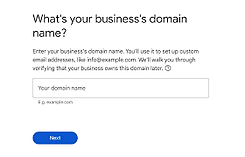
Domain Name: We have secured a clear and brand-consistent domain for our venture’s website. Our primary domain is sentenal.com. Fortunately, given the uniqueness of the name, the .com was available (it was not previously registered, or if it was parked, we acquired it at a reasonable price). We chose a .com top-level domain as it’s the most recognized and credible for a startup. If for any reason sentenal.com was not available or was prohibitively expensive, our backup plan was a domain like sentenalhealth.com or the .health domain (sentenal.health), but we’re happy we got the simpler version. The domain points to our main website which serves as the marketing site (with pages like Homepage, About, etc., as outlined in this project) as well as a web portal for users who prefer using Sentenal via browser.
-
We’ve also looked into other relevant domains to protect our brand – for instance, registering sentenal.app (a new TLD) or sentenal.io which some tech startups use. These could either redirect to the main site or be used for specific purposes (like app.sentenal.com might host the web app interface). Since “Sentenal” is a coined name, we don’t have to worry much about domain squatters except ensuring variations are taken. We did ensure that common misspellings (like sentinel with an “i”) are not something we can realistically grab (Sentinel.com is taken by something else and not needed for us, and spelling is different), but we might get sentenal.co just to avoid confusion.
-
-
Social Media and Handle Availability: Online presence extends to social media handles. We’ve claimed @SentenalHealth on Twitter (X), Instagram, and Facebook, since @Sentenal by itself was either taken or we wanted to clarify the health focus. Consistency in handles is important so that users find us easily across platforms. Our Instagram, Twitter, and Facebook pages are live with our branding, and we’ve also set up a LinkedIn company page (for professional presence) under the name Sentenal. On TikTok, we got @Sentenal (it was free there) – TikTok might be used for posting our short health tip videos as mentioned. By grabbing these handles early, we avoid issues later with impersonators or name conflicts. We also have a YouTube channel named Sentenal where we can upload longer videos (like recorded webinars or tutorials of the app).
-
Additionally, we set up a professional email domain. Team members will have emails like name@sentenal.com. We integrated this through Google Workspace (for example), so we have the familiar Gmail interface but on our domain. This is important when communicating with partners or users for credibility (an email from a custom domain looks more official than a generic gmail).
-
-
Website & Tools: The main website (sentenal.com) is not only for marketing but also a gateway to our web application. We built the site using a modern responsive design (so it looks good on mobile or desktop). Users can read about us and also login to their Sentenal account from the site. The technology stack for the website front-end is something like HTML5/CSS3 with possibly a static site generator or a CMS for the blog portion (maybe WordPress or a headless CMS for ease of publishing content). For the web app portion (if included), we’d use a secure web framework (maybe a React front-end for consistency with our mobile app’s design language, and our backend’s APIs feeding it).
-
Mobile Presence: Our online presence wouldn’t be complete without mentioning app stores. We have published (or are in the process of publishing) the Sentenal app on Apple’s App Store and Google Play Store. We ensure the app listing is well-optimized: it has a clear description, screenshots, and uses keywords for discoverability. We also maintain a basic landing page that the app stores link to, in case someone wants to learn more before downloading.
-
Payment Platforms: Since Sentenal’s business model includes a premium subscription, we have integrated reliable payment processing into our platform. We chose Stripe as our primary payment platform for handling subscription billing on the web, due to its developer-friendly API, strong security, and support for subscription logic (recurring billing, trials, etc.). Stripe will handle credit card processing for users who upgrade via our website. It’s also set up to handle multiple payment methods (credit/debit cards, and potentially digital wallets like Apple Pay, Google Pay). For in-app purchases on mobile, we comply with Apple’s App Store and Google Play’s payment systems – meaning iOS users will purchase the subscription as an in-app purchase through Apple, and similarly through Google Play on Android. We configured our app so that premium features unlock when those in-app purchases are completed, and we rely on Apple/Google’s frameworks to manage those subscriptions (with our backend verifying receipts to keep track of status).
-
Additionally, for flexibility, we enabled PayPal as an option on the web checkout for those who prefer it (some younger users might have PayPal or just want the buyer protection feeling it gives). But Stripe itself can handle most, including ACH or bank transfer if we ever needed (not likely for consumer subs, but good if we invoice a university for a group plan – then we might use Stripe’s invoicing or accept checks for B2B scenarios).
-
-
Security and compliance of payments are critical: Stripe is PCI-compliant so we don’t touch raw card data (it’s all tokenized). We ensure our systems follow required security standards, which is partly why using established processors is wise.
-
Customer Relationship Management (CRM): To manage our interactions with users, especially leads and partners, we’ve set up a CRM system. We opted for a lightweight solution appropriate for a startup – for example, HubSpot’s free CRM or Zoho CRM to begin with (HubSpot is popular for inbound marketing integration). The CRM helps us keep track of newsletter subscribers, users who have expressed interest, and partner contacts. If someone downloads an e-book from our site or signs up for an event, they get entered into the CRM so we can follow up appropriately (with consent per GDPR/Can-SPAM etc. for marketing emails). As our user base grows, the CRM will also be useful for segmenting communication – ensuring, say, that when we email existing users about a new feature, we target correctly, versus emailing prospects with different content.
-
Analytics and Data: We have installed Google Analytics on our website to monitor traffic, user behavior on our pages, and conversion rates. This allows us to gauge the effectiveness of our marketing content (as described in the Marketing section) – seeing which blog posts draw the most visitors, how users navigate the site, and where we might be losing their interest. For the app itself, we use a mix of analytics: Firebase Analytics (by Google) or Mixpanel integrated into the mobile app to track app-specific metrics like daily active users, session length, feature usage, retention cohorts, etc. These analytics tools help both product and marketing teams to understand user engagement and funnel drop-offs. For instance, if many users download the app but don’t complete onboarding, we’d detect that via these tools and can respond (maybe by tweaking onboarding or sending a nudge email).
-
We also use analytic tools to track the effectiveness of our email campaigns (Mailchimp’s dashboard or HubSpot’s email analytics) and our social media (each platform’s own analytics to track click-throughs and follower growth). Continuous analysis ensures we use our online presence efficiently and react to trends (like maybe we discover TikTok is driving more sign-ups than Twitter, so we shift focus accordingly).
-
-
Email Marketing System: We established an account with Mailchimp (or an equivalent like Sendinblue or HubSpot if using their suite) to manage our newsletter and email marketing. Mailchimp allows us to design nice-looking emails, manage our subscriber list with proper opt-in/opt-out, and automate certain emails (for example, a welcome email when someone signs up, or a drip campaign of educational content over their first month using Sentenal). It also takes care of compliance (including adding unsubscribe links, not sending to people who opt out, etc.). If we implement a referral program, our system might automatically email invite codes to referred users – all that can tie in with either our backend or through Zapier integrations connecting our app database to Mailchimp for instance.
-
Support and Communication Tools: Offering timely support is part of our online presence. We have a support email (support@sentenal.com) and we’ve integrated a ticketing system (like Zendesk or Freshdesk) to handle user inquiries. On our website/app, we might also deploy a live chat widget or at least a “Contact Us” form which feeds into our support tool. Initially, this might just be an email alias going to our team, but as we scale we’ll formalize it.
-
Another tool we consider essential is an online community platform – our app has built-in forums, but we also have a presence on platforms like Reddit (maybe we host an official thread or subreddit for Sentenal discussions) and Discord or Slack group for beta users to chat. Setting up a Discord server for Sentenal community could be a modern way to engage users in real-time discussions/chats about various health topics or app feedback. This isn’t exactly marketing, but it’s part of our digital engagement strategy.
-
-
Data Security and Hosting: From an online infrastructure standpoint, we host our servers on a reputable cloud service (AWS, Google Cloud, or Azure). For example, we use AWS – with our backend running on AWS EC2 instances or using AWS Lambda for serverless functions, and data stored in a secure database service (AWS RDS for structured data, maybe DynamoDB for some, and S3 for file storage like user-uploaded images). We ensure all traffic is encrypted via SSL – hence our website has HTTPS, and our API endpoints are secure. We also implement regular backups of our database (in case of any outage or data issue, we can recover). Given the sensitivity of health data, we consider using end-to-end encryption for certain personal journals, etc., though that has to be balanced with functionality (we likely encrypt data at rest and in transit at least). Access to production servers is locked down with proper authentication and perhaps VPN requirements for admins.
-
For user data privacy compliance (like GDPR if we have any international users from Europe), we provide mechanisms for users to request data deletion or export. Our online tools (analytics, etc.) are configured to anonymize or aggregate data to maintain privacy where appropriate.
-
-
Additional Web Tools:
-
We have integrated Google Tag Manager on our website to easily add and manage any tracking pixels or scripts (like for analytics, A/B testing tools, etc.) without constantly changing code.
-
For performance monitoring and uptime, we use a service like UptimeRobot or New Relic to alert us if the site or app endpoints ever go down, ensuring we quickly address any downtime (part of maintaining a reliable online presence).
-
For collaboration, our team uses online tools like Trello or Jira for project management (not user-facing, but worth mentioning as part of our organized approach), and GitHub for code repository and version control. These ensure our product development runs smoothly which indirectly affects the quality of our online presence.
-
In terms of scalability, we also plan for ability to handle spikes (like if a post goes viral and suddenly thousands hit our site, we use cloud auto-scaling to accommodate that traffic).
-
-
Search Engine Registration: We have registered our site with Google Search Console and Bing Webmaster tools to ensure our site is indexed properly and to monitor any search issues (like broken links, mobile usability). This helps our SEO efforts and ensures our online presence is discoverable.
-
Conclusion of Online Section: The Online section details how we have set up the digital infrastructure and tools to support Sentenal’s operations and growth. We’ve locked down our brand name online through the main domain and social handles, integrated industry-standard payment platforms (Stripe) for smooth e-commerce, and equipped ourselves with necessary web tools (CRM, analytics, email systems) to attract, understand, and serve our users. The combination of these tools with our strong content and marketing strategy forms a holistic online presence. Our approach ensures that when someone discovers Sentenal – whether via a Google search, a social media post, or word-of-mouth – they encounter a professional, secure, and user-friendly online experience that reflects the credibility of our venture. We’re essentially using the best of modern digital tools to run a lean, smart startup: from managing user relationships to analyzing behavior to securing transactions, all facets are covered. By investing in this robust online foundation now, we enable Sentenal to scale smoothly as our user base grows, while maintaining the trust and engagement of our community in every digital touchpoint.