🚀 Startup Page
Startup Strategy & Business Model
Business Model Overview: Sentenal’s business model is built on delivering value to young adults with chronic health conditions through a subscription-based digital platform, while also engaging healthcare partners. We have carefully mapped out our approach using the Business Model Canvas framework (covering key segments like value propositions, customer segments, channels, revenue streams, etc.). Below is a detailed breakdown:
-
Customer Segments: Our primary customers are young adults (approximately ages 18–30) who have one or more chronic medical conditions. This includes individuals with conditions like Type 1 or Type 2 diabetes, asthma, hypertension, autoimmune disorders, mental health conditions (e.g. depression or anxiety), and others. Notably, this demographic is large and growing – in 2019, 53.8% of U.S. adults aged 18–34 had at least one chronic condition, with obesity (25.5%) and depression (21.3%) being among the most common. Many of these young patients are managing their health largely on their own for the first time, having transitioned out of pediatric care and often feeling underserved by traditional healthcare systems. Within this broad group, we’ve developed specific personas. For example, one persona is “College Chris,” a 20-year-old university student with asthma and anxiety who struggles to keep up with inhaler use and therapy appointments amid a busy schedule. Another is “Young Professional Pat,” a 25-year-old with Type 1 diabetes starting their career, who needs to balance blood sugar management with a demanding work life. By identifying these personas, we tailor Sentenal’s features and messaging to address their distinct needs and pain points (such as medication reminders for Chris, or stress management tips for Pat). Secondarily, our customers include the caregivers and healthcare providers who support these young adults. For instance, a parent of a college-aged chronically ill student might encourage them to use Sentenal, or a clinic might recommend the app to its young patients as a supplemental tool.
-
Customer Pain Points & Risks: Through research and interviews, we’ve identified several pain points that young adults with chronic conditions face. These represent customer-side risks if we fail to address them better than existing solutions:
-
Self-management is hard: Many young patients lack extensive knowledge about their condition or how to manage it daily. A consistent barrier in chronic disease management is lack of education and understanding of one’s condition. Young adults may not fully grasp how medication, diet, and lifestyle affect their health, especially if their primary care has been sporadic. This can lead to poor adherence.
-
Adherence & lifestyle barriers: Maintaining the discipline to take medications on time, follow diets, or do physiotherapy exercises is challenging amid college or early career life. Intrinsic barriers like mental health issues (depression, anxiety) or social factors can further impede adherence. It’s easy for a young person to skip a dose or avoid monitoring when they feel overwhelmed – which is a risk for worse health outcomes.
-
Feeling isolated or stigmatized: Young adults often feel “alone” in dealing with chronic illness because their peers may not share those experiences. There’s also the challenge of disclosing or explaining their health needs to friends or employers. This isolation can lead to anxiety or denial about their condition.
-
Complexity and frustration: Managing a chronic condition involves multiple tasks (appointments, insurance, pharmacies, symptom tracking). The complexity can be frustrating – patients often feel the treatment regimen is complicated and burdensome. This frustration is a major reason they might abandon existing tools or ignore care plans.
-
Financial and systemic issues: While Sentenal as an app can’t solve healthcare costs, it’s worth noting young adults face cost barriers (e.g. affording medications) which in turn affect adherence. They also navigate transitioning from pediatric care to adult care, which is often poorly coordinated by the health system. These systemic issues add stress and risk lapses in care.
-
Sentenal’s features are explicitly designed to mitigate these pain points. We provide condition education via bite-sized articles and infographics right in the app (addressing knowledge gaps). We tackle adherence with smart reminders, habit tracking streaks, and even mild gamification (e.g. rewarding a user with points or badges for logging their meds consistently for a week). To reduce isolation, we emphasize our community forum and optional mentor program – connecting users with “buddies” or mentors close to their age. This community aspect encourages peer-to-peer tips (for example, how to handle college parties as a diabetic) and shows users that they are not alone. By simplifying complexity – aggregating all health tasks into one intuitive dashboard – and offering encouragement rather than just alarms, Sentenal aims to turn the frustrating routine into a more manageable, even motivating, experience.
-
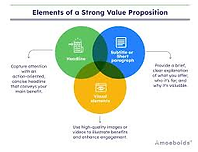
Value Proposition: Our core value proposition can be summarized as “Sentenal makes managing your chronic condition easier and more engaging, so you can focus on living your life.” We deliver convenience (all-in-one tracking, personalized insights), support (community and coaching), and guidance (credible info and tips) in a way that fits young adults’ lifestyles and technology preferences. Unlike a generic diary or a clinical portal, Sentenal feels like having a friendly personal health coach in your pocket 24/7. It’s available when and where traditional healthcare isn’t – bridging gaps between doctor visits with daily micro-interventions. The unique value lies in integration: a user might currently use a pill reminder app, follow a few chronic illness Instagram accounts, and read WebMD articles. Sentenal combines those functions seamlessly and tailors them to the individual. We also emphasize empowerment and long-term benefits: by using Sentenal, users can improve their medication adherence, gain deeper insight into how habits affect their symptoms (through our trend charts and journals), and ultimately achieve better health stability. We cite evidence that such self-management tools can reduce complications – e.g., consistent tracking and follow-ups can prevent emergency flare-ups of conditions like asthma or diabetes. For healthcare providers or parents, the value is also that Sentenal produces a comprehensive log of the patient’s health behaviors and status, which can lead to more informed treatment adjustments. In sum, our value proposition addresses functional needs (track & educate), emotional needs (reduce anxiety, increase confidence), and social needs (connect with others).
-
Channels & Customer Acquisition: We plan to reach our target users through both digital channels and partnerships. In terms of digital marketing (explored in detail in the Marketing section), we will use inbound marketing strategies – such as content marketing, social media engagement, and search engine optimization (SEO) – because our audience is highly active online. For example, many young adults search the web for health answers; health-related queries account for roughly 5–7% of all Google searches (around 1 billion searches per day), and nearly 90% of Americans use social media for health information or support. By maintaining a strong presence on platforms like Instagram, TikTok, and health forums (with relatable content and success stories), we draw interested users organically. We’ll also leverage app store exposure (App Store and Google Play listings with targeted keywords like “chronic illness support” can attract downloads). Aside from digital channels, we foresee strategic partnerships as key channels. We will collaborate with university health centers, young adult patient support groups, and perhaps relevant nonprofits (like the College Diabetes Network or youth arthritis foundations) to recommend Sentenal to their members. Partnerships with healthcare providers (e.g., forward-thinking clinics or telehealth services) can also serve as a channel – doctors might suggest the app as a companion for patients just diagnosed with a chronic condition. These partnerships not only lend credibility but also directly funnel our exact target users to us. Initially, we plan several pilot programs: for instance, working with one university clinic to onboard 50 students with chronic illnesses onto Sentenal and monitoring their engagement and outcomes over a semester. This will give us early traction and testimonials to fuel broader growth.
-
Customer Relationships: Building trust and maintaining engagement are crucial in our model. We cultivate customer relationships through a mix of automated and personalized means. When a user joins Sentenal, we onboard them with a friendly tutorial and a welcome message from the team (personalized, e.g. “Hi [Name], welcome to the Sentenal community! We’re here to support you.”). The app features a chat-based support that feels conversational – users can ask questions (some answered by a chatbot with prepared FAQs, others escalated to our team or community health coaches). We intend to offer virtual health coach check-ins for premium users: e.g. a monthly 15-minute chat with a certified health coach or experienced patient who can answer questions and help set goals. In the community forums, our community manager Elena (and moderators) will actively participate to spark discussions and ensure a safe, positive tone. Gamification elements like progress badges and leadership boards (for community helpers) turn the use of the app into an ongoing relationship, rewarding users for consistency and contributions. Additionally, we will send out a weekly newsletter email with new blog content, user success stories, and upcoming events (webinars, Q&A sessions with medical experts) to keep users engaged even outside the app. Feedback loops are part of our relationship strategy too – in-app surveys and a feedback button allow users to voice ideas or problems, and we make sure to respond or incorporate suggestions (showing users that we listen and iterate). Our overall relationship approach is to be proactive (sending helpful tips and reminders without being annoying), responsive (fast support replies), and empathic (always acknowledging the challenges users face, and celebrating their wins). By fostering an active community and showing genuine care, we aim for strong retention and word-of-mouth growth – each happy user potentially brings in friends or peers who also have health challenges.
-
Key Activities: To deliver our value proposition and maintain our service, Sentenal engages in several key activities:
-
Product Development & Maintenance: This includes continuous improvement of the mobile app and website. Our dev team is constantly in a build-measure-learn cycle (per Lean Startup methodology) – releasing updates, measuring usage metrics (e.g., daily active users, feature usage stats), and learning what to tweak. Key tasks are coding new features (like integrating wearables data in the future), fixing bugs, and ensuring the app meets privacy and security standards (implementing encryption, secure cloud storage for health data, etc.).
-
Customer Research & Validation: Even post-launch, we treat development as an experiment-driven process. We regularly conduct user interviews, usability tests, and analyze feedback. For example, if data shows few users use the meal logging feature, we will reach out to users to understand why – maybe it needs simplification or maybe it’s not needed, and we pivot accordingly. As Eric Ries emphasizes, we measure success in terms of validated learning – every feature should test a hypothesis about what users want. This means a key activity is designing and running such tests (A/B testing different reminder styles, for instance).
-
Content Creation: A considerable part of our operations is creating and curating high-quality health content. Jason and our medical advisors are continually writing new blog articles, producing infographics, and updating our knowledge base within the app. We also host community events (like live chats) which require planning. This content work is crucial for both user value and marketing.
-
Community Management: Moderating forums, onboarding new members in the community, managing social media groups – these activities keep the user base engaged and safe. We have guidelines to enforce (no medical advice beyond personal experience, be respectful, etc.) and we ensure the community remains a value-add rather than a risk (we will actively guide discussions to be constructive).
-
Partnership & B2B Outreach: Another key activity is engaging with partner organizations (schools, clinics, maybe employers who have young staff with health programs). This involves meetings, preparing demo presentations, and sometimes customizing certain features for a group (for example, a university might want a custom dashboard to monitor aggregate (anonymous) data of their students using the app – which we could develop).
-
Administration & Compliance: Running the business also means taking care of legal, accounting, and regulatory compliance tasks. For example, ensuring our app complies with health data regulations like HIPAA in the U.S. if applicable (we likely qualify as a “business associate” if we integrate with any covered entities for data; even if not strictly required, we choose to follow HIPAA-grade practices because user trust is critical). We will conduct privacy impact assessments and maintain transparent privacy policies. Other administrative tasks include maintaining our Delaware LLC in good standing (filing annual reports), managing finances (subscription billing through our payment platform), and coordinating with any investors or advisors.
-
-
Key Resources: To perform the above activities and deliver value, we rely on several key resources:
-
Human Resources: Our skilled team (detailed in About Us) is the most crucial resource – developers, health experts, community managers, etc. We also tap into user insights as a resource; our early adopters’ feedback is like a knowledge asset guiding our development.
-
Technology Platform: The Sentenal mobile app (iOS/Android) and web portal itself are core resources – essentially our product. We have intellectual property in our code, our algorithms (e.g., how we analyze adherence patterns), and our content library. Over time, the data we aggregate (in a de-identified way) on young adult health management behaviors could become a valuable resource for improving our services and even for research partnerships.
-
Brand and Reputation: “Sentenal” as a brand name (trademark pending, discussed later) is a resource in that it carries our identity. Building a trusted brand in health tech is a huge asset – our logo, our messaging style, and the goodwill from user success stories all contribute to a brand that people can rely on. In health, trust is everything; hence, the credibility we earn by partnering with experts and citing sources is part of our brand equity.
-
Financial Resources: At the start, we have a small seed fund (imagine from savings or an angel investor) that finances initial development. As we grow, capital raised (if any) becomes a resource to fuel expansion. In our lean model, we are conscious of runway and plan to reach certain milestones (like MVP completion and a base number of users) within our budget.
-
Partners and Advisors: Though not owned by us, close partnerships (with say a medical institution or a tech incubator) function as an external resource. For example, being in a startup accelerator program might give us access to a mentor network, legal advice, or software credits (cloud hosting credits from providers) which are all beneficial resources.
-
-
Key Partners: We recognize that collaboration can amplify our impact and fill gaps in our own capabilities. Key partners for Sentenal include:
-
Healthcare Institutions: We aim to partner with organizations such as university health services, patient advocacy groups, and possibly insurance companies. A university clinic partnership, for instance, might involve co-organizing workshops for students with chronic conditions and promoting our app to them. An insurance partner (in the future) could be interested in recommending Sentenal to their young adult members to improve health outcomes (which could lower claims costs); they might even subsidize premium subscriptions as a benefit. These partners help us with distribution and add credibility.
-
Technology Partners: Instead of building everything in-house, we integrate with existing solutions where appropriate. For example, we might integrate with wearable device makers (Fitbit, Apple Health) to import fitness data or link with medication delivery services. Partnering with an established telehealth platform could allow us to eventually offer telemedicine consults right through Sentenal (with revenue-sharing). Cloud service providers (AWS, etc.) are partners in providing the infrastructure – many have startup programs that we leverage.
-
Content & Research Partners: We plan to collaborate with medical experts and organizations for content. For instance, partnering with the American Diabetes Association or a mental health non-profit to co-create content ensures accuracy and can expand our user base through cross-promotion. We also foresee partnerships with academic researchers who focus on adolescent/young adult health – we can supply (consented, anonymized) data for studies on improving self-management, and in return get insights or validation from their findings.
-
Advisors and Investors: If we have external advisors (industry experts, experienced entrepreneurs) and early investors, they are partners in guiding our strategy. They open doors to contacts, provide mentorship on scaling the business, and are aligned with our success.
-
-
Cost Structure: Sentenal’s cost structure currently follows a lean startup model – we keep overhead low and focus spending on product development and user acquisition. Major cost components include:
-
Development Costs: This is a combination of personnel (salaries or stipends to our developers, or equity if we are sweat-equity based initially) and technical infrastructure costs. We have monthly cloud server expenses, data storage costs, and third-party service fees (for example, if we use a service for push notifications or a paid API for some health data). Ensuring high security for health data might mean higher hosting costs or licensing security software.
-
Content and Community Costs: Producing quality content might involve contracting medical writers or designers (for infographics), which is a cost. Community management might involve hosting online events (maybe we give small stipends to guest speakers or moderators). These are relatively modest but important for retention.
-
Marketing Costs: While we emphasize inbound (which is cost-effective), we will still allocate budget for marketing. This includes the cost of managing social media, perhaps some paid ads or sponsored posts to kickstart user acquisition, and creating marketing materials (videos, website landing pages). We anticipate initial marketing spending to be on things like SEO optimization and maybe campus ambassador programs (small rewards for students who help us promote).
-
Administrative & Legal Costs: Forming and maintaining the business (Delaware LLC fees, legal consultations for compliance, accounting services) costs are accounted for. Particularly, dealing with healthcare data may require legal oversight (privacy policy drafting, perhaps HIPAA compliance auditing) which can be a notable expense. Insurance is another one – we may need liability insurance, especially if providing health-related advice (to cover any risks).
-
Customer Support: As we grow, we might need a support team or outsourced customer service for user inquiries. Initially, this might be handled by core team wearing multiple hats, but we budget for scaling it.
Our cost structure is lean but scalable – many costs (like cloud services) will scale with user count, and we’ve chosen a subscription revenue model that should cover marginal costs per user. We also plan to measure our unit economics carefully (cost to acquire a user vs. lifetime value) to ensure we can become sustainable. The beauty of a software venture like this is that after the app is built, adding a new user has relatively low incremental cost (mostly server load and minor support costs), whereas the subscription revenue adds up – giving us operating leverage as we scale.
-
-
Revenue Streams: Sentenal’s primary revenue model is a freemium subscription model. The app will be free to download and use at a basic level (we want to reduce barriers for usage, especially since some users might not have a lot of disposable income). Basic features – symptom tracking, joining the community, and accessing a limited library of resources – will be free. We will then offer a Premium subscription (Sentenal Plus) at an affordable monthly rate (e.g., $4.99/month or $49/year with a discount). Premium unlocks advanced features such as one-on-one health coach chats, detailed progress reports that you can share with your doctor, customizable analytics (correlating, say, mood with sleep or diet), and perhaps integration with wearable devices. We might also include exclusive content (like specialized courses or workshops) for subscribers. By providing strong value in the free version, we attract users, and by offering valuable upgrades, we convert a portion of them to paid. We project a conversion rate based on similar freemium health apps and will adjust features to optimize that. Another revenue stream in the future could be B2B or B2B2C: for instance, we could sell group access or license the platform to institutions. A college might pay us a fixed fee per student to give their students Premium access (or an employer might include Sentenal as part of a wellness program for their young employees). We may also explore partnerships with health insurers, where insurers pay for subscriptions for their members (because improved self-management can reduce costly hospital visits). Ancillary revenue could come from things like in-app workshops or affiliate referrals – e.g., if we partner with a nutrition service or a pharmacy delivery, and a user utilizes those via our app, we might get a referral commission. Importantly, we do not plan to monetize user data through advertising, because we believe that maintaining user trust and privacy is paramount (and young users are quite sensitive to ads and privacy). Our model is service-based, not ad-based. We reference lean startup financial planning and will constantly test pricing and revenue assumptions. For example, our MVP will help validate whether users are willing to pay for a given feature – a key business viability hypothesis in customer validation. If one revenue approach doesn’t work (say, low conversion to paid), we will pivot strategies (like perhaps introducing a tiered freemium or seeking institutional sponsorships).
Lean Startup Approach & Validation: From inception, we have embraced Lean Startup principles to minimize risk and ensure we build something that truly fits the market need. As Eric Ries’s Lean Startup methodology advises, we treat every element of our concept as a hypothesis to test rather than a guarantee. Here’s how we applied lean principles in Sentenal’s development:
-
Minimum Viable Product (MVP): We started with an MVP – the simplest functional version of Sentenal that could be tested with real users. Our MVP, built over a few months, included core features like symptom logging, medication reminders, and a basic community forum. We deliberately left out nice-to-have features (no advanced analytics, no AI chatbot, etc.) in this first version, focusing on whether the basic value proposition resonated. This aligns with the idea that an MVP should test fundamental assumptions quickly with minimal resources. We launched this MVP to a small group of 50 beta users (recruited via a local university and an online chronic illness support group). Their usage patterns and feedback were illuminating – for example, we found that the community forum was the most used feature (over 60% of users engaged weekly), confirming a strong demand for peer connection, while the symptom logging feature had moderate use (some loved it, some forgot to use it daily, prompting us to later add more reminder nudges). This validated our assumption that community is a key value driver and taught us that we needed to make tracking more engaging (we later added visual trend charts to give immediate insight, which increased usage).
-
Hypothesis Testing: We formulated specific hypotheses and tested them iteratively. One hypothesis was “Young adults will use Sentenal at least 4 times a week if it provides both practical tracking and emotional support.” Our MVP test showed that about 40% of beta users were indeed using it 4+ times a week, but others less so. By surveying the lower-engagement users, we discovered friction points (some found the interface not intuitive enough, others wanted content for their specific condition). This feedback directly informed our next development sprint to improve UX and personalize content by condition. Another hypothesis was “Users will be willing to pay for a premium version that includes one-on-one coaching.” To test this before building the full payment system, we actually simulated a premium feature manually: we offered half the beta users an opportunity to get weekly email feedback from our team on their logged data, framing it as a “coach insight.” We didn’t charge for it in beta, but we asked if they would pay in the future and what amount felt fair. The response was largely positive for the concept, and many indicated a willingness to pay a modest fee. This gave us confidence to proceed with implementing a paid tier.
-
Validated Learning and Iteration: Each cycle of building, measuring, and learning has refined Sentenal. For instance, initial skepticism we had was whether young adults would share in a health community (given privacy concerns). We learned that if the community is closed and moderated (not a public Facebook group, but within our app with anonymity options), users were surprisingly open and eager to talk – as long as the tone is peer-like. We saw posts like a 19-year-old sharing tips for remembering night-time meds, which got many appreciative replies. This validated that a community feature adds real value, so we invested more in community tools (like tagging posts by topic, adding reaction emojis, etc.). On the other hand, we had assumed integration with wearable devices would be important from day one, but MVP tests indicated users were fine manually inputting data initially – thus we postponed complex integrations to save development time until it’s clearly needed. By measuring actionable metrics (retention rate, feature adoption, user satisfaction scores) rather than vanity metrics, we could judge if we were moving towards product-market fit. For example, one actionable metric we track is 30-day retention (what percentage of users are still active after one month). We set a target (say 50% for the MVP phase) and achieved ~45%, which indicated we had more work to do but were in a reasonable range for an early product. With improvements from feedback (like simplifying the daily check-in process), we aim to boost this significantly.
-
Risk Analysis: In lean fashion, we continuously assess product risk, market risk, and customer risk. Product/technical risk: Can we build and scale the solution reliably? We mitigated this by using proven technologies and starting small-scale. So far no major technical roadblocks – but we have plans for load testing and security audits as usage grows.
-
Market risk: Is there a real market/demand and can we reach it? The statistics on the prevalence of chronic conditions in young adults and the enthusiastic response from our beta users give us confidence in market need. We also keep an eye on competitors (other health apps) to ensure our differentiation remains clear. Customer risk: Will users keep using this and eventually pay for it? This remains our biggest focus area. We mitigate it by making sure our solution is actually solving their day-to-day problems (hence all the user-driven iterations). We acknowledge that one risk is engagement fatigue – many apps are downloaded and forgotten. Our engagement strategy (notifications, fresh content, community bonding) is aimed at combating that. Also, by involving users in our development (some beta testers have effectively become ambassadors), we build a product with built-in advocacy.
-
-
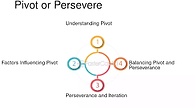
Pivot or Persevere Decisions: Lean theory speaks about knowing when to pivot (make a significant change in strategy) versus persevere. Thus far, our testing has led to small pivots. For instance, we initially thought of Sentenal as primarily a tracking tool with a side social feature. The feedback led us to pivot emphasis: it’s now equally a community support platform. We didn’t abandon our vision, but we rebalanced features and our marketing angle to “holistic support” rather than “just a health log app.” If we had found during MVP that young adults just weren’t interested in engaging digitally for their health, we would have done a bigger pivot (perhaps targeting a different age group or focusing purely on a B2B wellness solution). Fortunately, our experiments have consistently indicated that the problem is real and our solution is on the right track, so these have been pivots in tactics, not a full pivot in vision.
-
Lean Metrics & Theories: We also adopt ideas like the customer development model by Steve Blank, working in tandem with product development. We did extensive customer discovery (interviews) before coding, and now we are in customer validation phase – making sure our early users’ actions validate that the business can be viable (e.g., people actually incorporate Sentenal into their routine, and a percentage are willing to pay or advocate for it). In lean startup terms, our current goal is achieving product/market fit – signs of which would be a growing user base mostly through organic referrals, and high engagement metrics. We are constantly measuring that and remain ready to adjust our model if needed.
In conclusion, our Startup page presents a comprehensive business model for Sentenal, deeply informed by lean startup practices and real user validation. We articulate how we create and deliver value, who our customers are, how we earn revenue, and how we manage and mitigate risks. By referencing academic and industry principles (like Lean Startup theory and known barriers in chronic care), we show that our approach is both innovative and grounded in proven methodology. We are building Sentenal methodically to ensure a true fit with our customers’ needs, thereby maximizing our chances of success in the market while fulfilling our mission of helping young adults with chronic conditions.